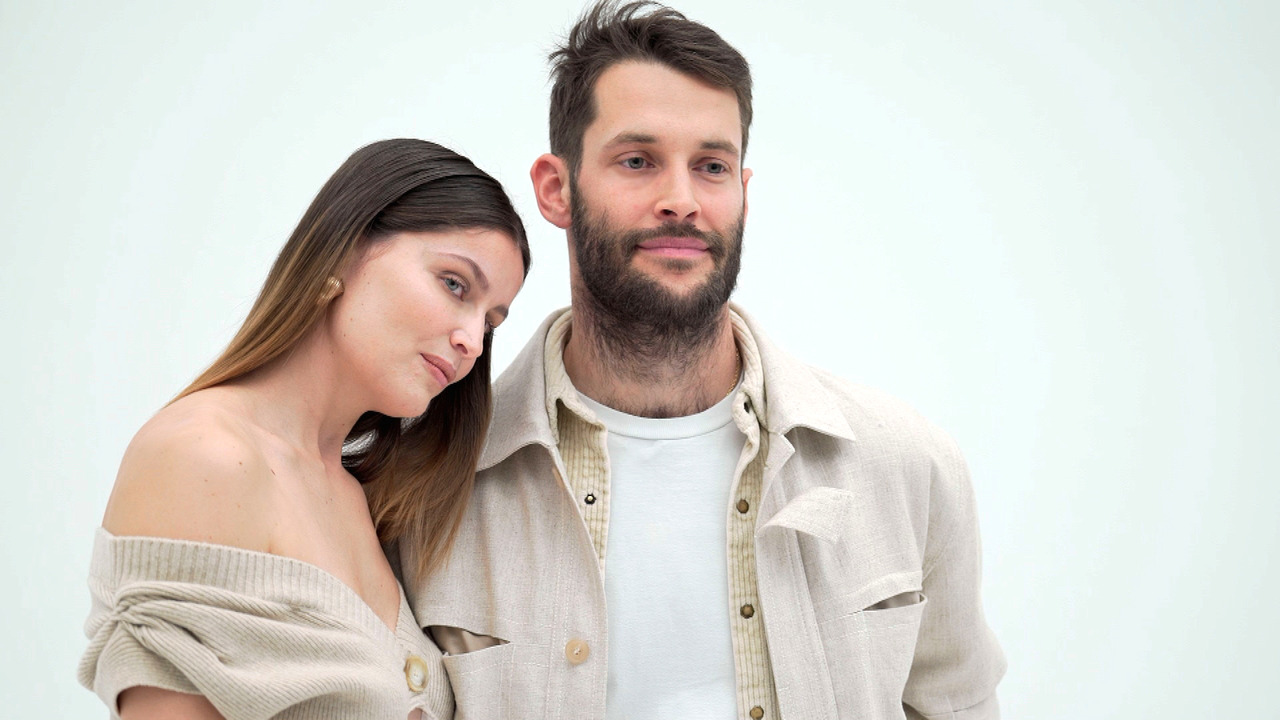
 Image courtesy of France Channel, “Jacquemus: The Prince of Today’s Fashion,” (2023)
September has a particular energy in the fashion world. While much of the northern hemisphere is preparing for autumn, designers, editors, buyers and fashion insiders are already looking several months ahead. From New York to London, Milan and finally Paris, the world's fashion capitals come alive with runway shows, presentations, parties and street-style photography. It is what has become known as Fashion Month. But why September? Why does fashion's biggest season happen just as summer is coming to an end? The answer lies in the traditional fashion calendar, the changing seasons and the amount of time it takes for an idea on a runway to become something you can actually buy in a shop.
So, why is September fashion month?
At its simplest, September is fashion month because it is traditionally when designers present their spring/summer collections for the following year. The September shows look ahead to the warmer months, while the major shows held in February generally focus on autumn and winter collections.
This means that the fashion industry is always working several months ahead of the rest of us. When you're buying a coat in October, designers may already be thinking about the dresses, tailoring and swimwear that will appear the following spring. That delay is deliberate. A collection shown on a runway isn't necessarily ready to go straight into a shop. Designers and fashion houses need time to manufacture the clothes, retailers need time to place orders and prepare their stores, and magazines and other media need time to photograph, review and promote the collections. Fashion Week therefore sits at the beginning of a much longer process. September is when the industry starts to establish what the following spring and summer might look like.
The four cities that make up Fashion Month
Fashion Month isn't one single event. It is a sequence of four major fashion weeks that traditionally take place one after another, allowing the international fashion industry to move from one city to the next. The month generally begins in New York, before moving to London, then Milan, and finally Paris. Each city has developed its own identity within the fashion world. New York is often associated with a modern, commercial and distinctly urban approach to fashion, while London has long been known for experimentation and emerging designers. Milan is synonymous with Italian luxury, craftsmanship and tailoring, and Paris remains deeply connected to haute couture and some of the world's most influential luxury fashion houses. By the time the fashion crowd reaches Paris, the month has become a kind of global fashion marathon.
Why Paris matters so much in September
Paris has been at the heart of the fashion industry for centuries, and its influence goes far beyond the runway. The city played a central role in the development of haute couture and remains home to some of the world's most important fashion houses. During Paris Fashion Week, designers present their latest collections while editors, buyers, celebrities, photographers and influencers descend on the city.
But one of the most fascinating things about Paris Fashion Week is that you don't necessarily need an invitation to experience its atmosphere. Fashion spills out onto the streets. Guests arriving at shows become subjects for street-style photographers, cafés fill with fashion insiders between appointments, and certain parts of the city take on a noticeably more glamorous and frenetic atmosphere. For visitors, it can make Paris in September feel particularly exciting. The city is already emerging from the quieter rhythm of August, galleries and cultural institutions are launching their autumn programs, and then Fashion Week adds another layer of energy.
Why does Fashion Week happen so far ahead of the season?
One of the most confusing things about fashion is that the clothes shown on the runway are often intended for a season that hasn't even arrived yet. That's because fashion operates on a long production and retail cycle. A designer might present a spring/summer collection in September, but the clothes still need to be produced before they can reach stores. Buyers decide which pieces they want to stock, manufacturers organize production, retailers plan their collections and fashion publications begin producing their seasonal coverage. There is also a creative reason for the advance planning. Fashion trends need time to filter down from the runway to the wider public.
A designer might introduce a particular color, silhouette or fabric during Fashion Week. Fashion editors identify the ideas that appear repeatedly across different collections. Retailers interpret those trends for their own customers, and eventually some of those ideas appear in mainstream fashion. In other words, what begins on a runway in September can influence what people are wearing many months later.
The importance of the September issue
September's importance in fashion isn't limited to Fashion Week. It is also famous for another major fashion tradition: the September issue. For decades, the September issue has been one of the most important editions of the fashion magazine calendar. These issues tend to be larger than usual and are packed with new-season advertising, fashion editorials, trend reports and photography. The timing makes sense. September is when consumers begin thinking about the new autumn season, while fashion publications are presenting their vision of what the coming months will look like.
The September issue became such a powerful symbol of the fashion industry that it was even the subject of the documentary The September Issue, which followed the production of Vogue's September 2007 issue. Together, the September issues and Fashion Weeks helped establish September as the unofficial beginning of the fashion year.
Why September is different from February
September and February are both important months in the fashion calendar, but they have different seasonal focuses. The September shows generally present spring/summer collections for the following year, while the February shows traditionally present autumn/winter collections. There is also a difference in atmosphere. September arrives at the end of summer, when cities are becoming busy again after the holiday season. In fashion capitals such as Paris, this coincides with the rentrée—the return to work, school and everyday city life. That makes September feel like a beginning. The cultural calendar starts again, new exhibitions open, restaurants become busy and the fashion industry begins looking toward the next spring.
Is September still fashion month today?
Yes, although the fashion calendar has become considerably more complicated. The traditional seasonal structure of February and September remains important, but designers now release collections throughout the year. Resort and cruise collections, pre-fall collections, capsule collections and collaborations have all made the traditional fashion calendar less straightforward. Social media has also completely changed the speed at which fashion moves. In the past, the public might have waited for magazines to report on a runway show. Today, a collection presented in Paris can be photographed, filmed and shared with millions of people almost instantly. Despite these changes, September remains one of the most important moments in the fashion calendar. It is still when the major fashion capitals come together and when designers establish many of the ideas that will influence the following season.
Why Fashion Month matters beyond the fashion industry
You don't have to work in fashion to feel the effects of Fashion Month. The collections presented during September eventually influence the clothes that appear in luxury boutiques, department stores and high-street shops. They also influence fashion magazines, advertising campaigns, celebrity wardrobes and social media. The runway is essentially a laboratory for ideas.
Not every trend that appears during Fashion Week becomes mainstream, of course. Some are deliberately dramatic or conceptual. But when the same colors, silhouettes or styling ideas begin appearing across multiple collections, they can offer an early indication of where fashion is heading. That is part of what makes September so interesting. It is a moment when the future of fashion is being decided in real time.
Why September is such an interesting time to visit Paris
For anyone interested in fashion, September is arguably one of the most exciting times to visit Paris. The city's fashion calendar coincides with the rentrée, when Paris returns to life after the summer holidays. Cafés and restaurants are busy again, galleries reopen and the cultural calendar starts filling up. Then, toward the end of the month, Paris Fashion Week brings an international crowd of designers, models, editors, buyers and celebrities to the city. You might not have access to the runway shows themselves, but fashion is visible throughout the city. The people arriving at shows are often dressed as carefully as the models walking inside them, and street-style photography has become an important part of the Fashion Week spectacle. For travelers, this creates a different side of Paris—one that is fast-paced, glamorous and distinctly contemporary.
When is Paris Fashion Week?
Paris Fashion Week takes place twice a year, generally in late February or early March and again in late September or early October. The exact dates change each year, as does the schedule of individual designers and fashion houses. The September edition is part of the international Fashion Month circuit and traditionally comes after New York, London and Milan. If you're planning a trip specifically around Paris Fashion Week, it's worth checking the official schedule before booking. Dates, shows and venues can change, and many events are invitation-only. Even without attending a show, however, being in Paris during Fashion Week can be an experience in itself.
So, why is September fashion month?
Ultimately, September became fashion month because it fits the rhythm of the fashion industry's seasonal cycle. It gives designers the opportunity to present their spring and summer ideas well in advance, giving manufacturers, buyers, retailers and the media enough time to turn those ideas into a commercial season. But the reason September has retained such cultural importance goes beyond logistics. It is a month of new beginnings. Summer is ending, cities are returning to their normal rhythm and the fashion industry is looking ahead. In New York, London, Milan and Paris, designers reveal what they believe the next season should look like. Editors decide which ideas deserve attention. Buyers decide what will eventually appear in stores. Photographers capture the clothes, the people and the atmosphere. And by the time the shows reach Paris, September has become much more than a series of runway presentations. It is a celebration of fashion, creativity and the changing character of the cities that host it.
That is why September is fashion month. It is when the fashion world stops looking at what we're wearing now and starts imagining what we'll be wearing next.