 Image courtesy of Wikimedia Commons
In France, winter sports are not treated as a brief escape from everyday life. They are woven into the rhythm of the season itself. When the first snow settles over the Alps, the Pyrenees, the Jura, and the Vosges, it doesn’t signal a holiday so much as a shift in atmosphere. Life slows, routines change, and the mountains become part of the national mood.
Winter in France is not about chasing adrenaline. It is about inhabiting the season.
A Cultural Relationship with the Mountains
The French relationship with the mountains has always been more reflective than performative. These landscapes are not simply playgrounds; they are places of endurance, silence, and perspective. For generations, mountain life has shaped regional identity, food, architecture, and daily habits.
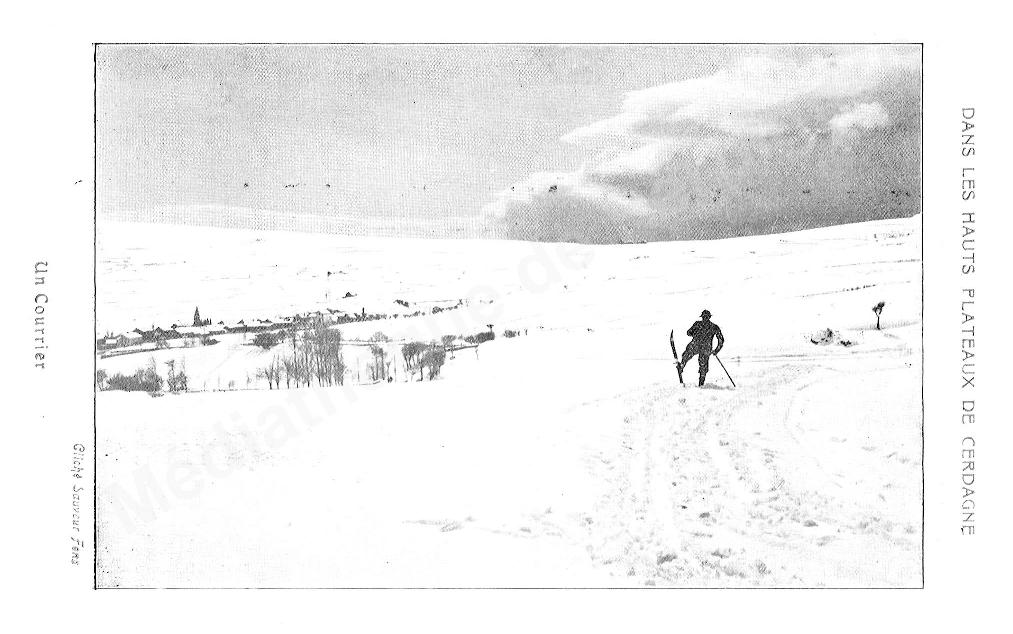
In winter, the mountains invite a quieter kind of movement. Skiing, snowshoeing, and walking through snow-covered villages become natural extensions of everyday life rather than special occasions. The goal is not speed or spectacle, but presence.
This philosophy mirrors much of French culture, where experiences are valued for how they feel, not how they look.
Winter Sports as a Seasonal Rhythm
In many French regions, winter sports are as routine as summer walks or autumn markets. Children grow up learning to navigate snow the same way others learn to ride bicycles. Families gather in mountain homes not to escape life, but to continue it in a different form.
Days are shaped by light and weather rather than schedules. Mornings begin slowly. Afternoons are spent outdoors, moving with the landscape instead of against it. Evenings return everyone to warmth and stillness.
Winter sports in France fit into this rhythm naturally. They do not interrupt life — they adapt it.
The Quiet Social World of the Slopes
While French ski towns can be lively, the social atmosphere is rarely chaotic. Après-ski culture leans toward warmth rather than excess. Conversations stretch long into the evening over simple meals and shared wine. Fires crackle. Snow falls quietly outside.
The focus is not on celebration, but on connection.
This sense of calm carries into the way people move on the slopes. Skiing becomes less about performance and more about flow. The mountain is not conquered; it is respected.
A Winter Aesthetic Rooted in Simplicity
French winter style reflects the same values. Clothing prioritizes warmth, texture, and ease over trend. Wool coats, scarves, muted colors, and layered fabrics blend seamlessly into snowy landscapes.
There is a natural elegance to this simplicity — not curated, not exaggerated, just practical and quietly beautiful.
French cinema often captures this aesthetic in winter scenes, where snow-covered villages and understated wardrobes create an atmosphere of intimacy rather than drama. France Channel’s winter films echo this visual language, offering stories that feel grounded in the season’s stillness.
Sport Without Spectacle
Unlike more extreme winter sports cultures, France does not frame snow activities as heroic feats. There is little emphasis on speed, risk, or conquest. The mountain is not a stage — it is a setting.
This perspective keeps winter sports deeply human. They become part of daily life rather than a performance for the outside world.
In this way, winter in France feels less like a vacation and more like a chapter in the year’s story.
The Role of Food, Warmth, and Rest
After cold days outdoors, French winter life turns inward. Meals become slower, richer, and more grounding. Fondue, soups, and shared dishes reflect the need for warmth and nourishment without excess.
Evenings are quiet. Lights are soft. Silence is welcomed.
Winter sports may shape the day, but it is the atmosphere of the evening that defines the season. This balance between movement and stillness feels distinctly French.
Winter as a Way of Living, Not Escaping
Winter as a Way of Living, Not Escaping
What makes winter sports in France unique is not the terrain or the facilities, but the philosophy behind them. The season is not something to flee. It is something to inhabit.
Snow becomes a backdrop for everyday life, not a spectacle to be consumed. The mountains become companions rather than destinations.
This mindset turns winter into a lived experience rather than a temporary escape.
A Cinematic Season
French films have long understood the emotional power of winter. Snowy landscapes often frame stories of reflection, transition, and quiet intimacy. The cold becomes a mood rather than a challenge.
Watching these films during winter creates a sense of alignment — as though the screen and the season are speaking the same language.
France Channel’s winter cinema reflects this beautifully, offering stories that echo the softness, restraint, and depth of French winter life.
The Enduring Appeal of the French Winter
Winter sports in France endure not because they are thrilling, but because they are meaningful. They connect people to nature, to tradition, and to each other without demanding performance or perfection.
In a world that often treats winter as something to escape, France treats it as something to experience.
Snow falls. Life continues.
And in the mountains, winter becomes not a vacation — but a way of being.