 Image courtesy of France Channel, “Romance” (2020)
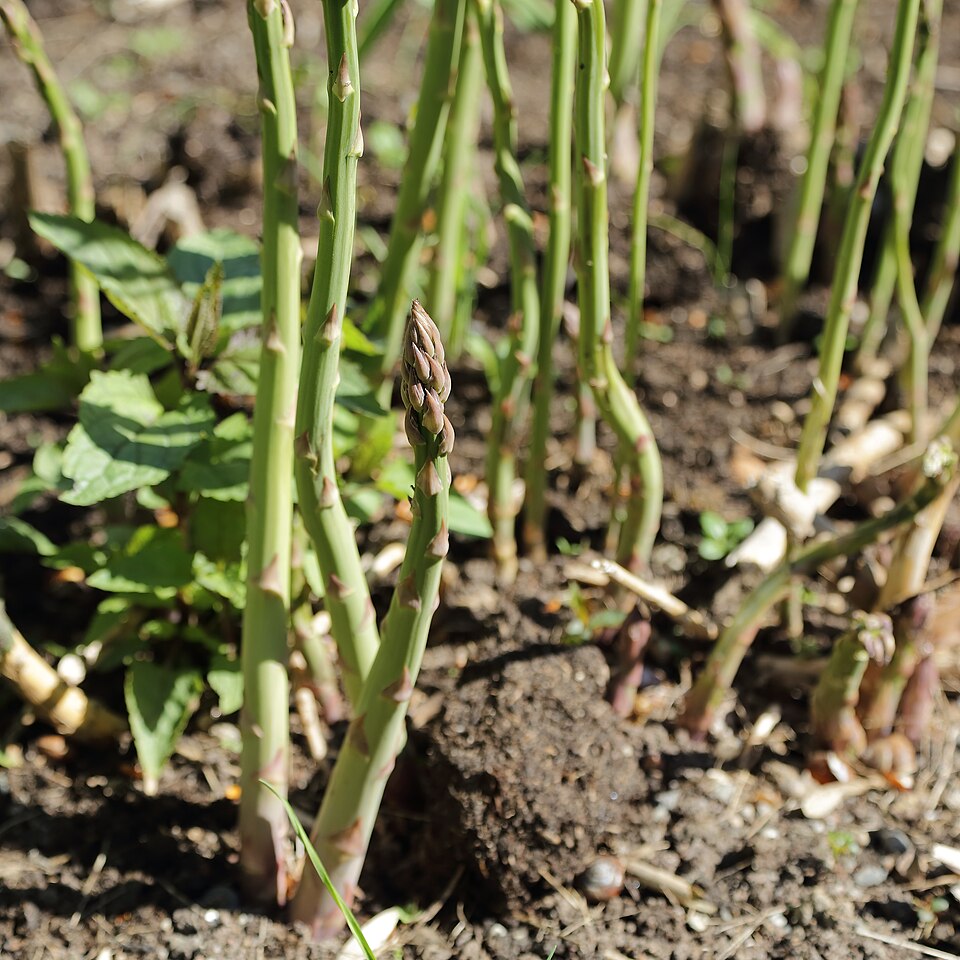
In France, asparagus isn’t just a vegetable—it’s a seasonal marker, a quiet announcement that spring has matured into something richer and more indulgent. By late April into May, market stalls begin to fill with thick white spears from the Loire and Alsace, alongside the more familiar green varieties from Provence. The French don’t overcomplicate asparagus. If anything, the best recipes reflect a kind of culinary restraint: a belief that when an ingredient is at its peak, the role of the cook is to interfere as little as possible.
The most classic preparation is almost austere in its simplicity: lightly boiled or steamed asparagus served with a vinaigrette. Known as asperges vinaigrette, it’s a staple you’ll find in bistros across the country. The key is balance—the spears cooked until just tender, then dressed with a sharp mustard vinaigrette that cuts through their natural sweetness. A soft-boiled egg is often crumbled over the top, adding richness without overwhelming the dish. It’s the kind of plate that feels deceptively basic but, when done well, captures everything that makes French seasonal cooking so compelling.
From there, things get slightly more indulgent. White asparagus, in particular, is often paired with buttery sauces, most famously sauce hollandaise. This is where the vegetable’s delicate, almost nutty flavor meets something lush and velvety. The combination can veer into heaviness if mishandled, but at its best, it feels celebratory—something you might eat slowly over a long lunch with a glass of chilled white wine. It’s no coincidence that this preparation shows up frequently in regions like Alsace, where both asparagus and rich sauces are part of the culinary identity.
Another enduring favorite is the asparagus tart, or tarte aux asperges. Here, the vegetable becomes part of something more structured: laid neatly across a base of flaky pastry, often with a light custard of eggs and cream, sometimes with goat cheese or Gruyère folded in. It’s less about showcasing asparagus in isolation and more about integrating it into a broader composition. Still, the guiding principle remains the same—let the asparagus lead, and build around it rather than burying it.
In more contemporary French kitchens, asparagus often appears in salads that blur the line between rustic and refined. Think shaved raw asparagus with lemon and olive oil, or lightly grilled spears paired with fresh herbs and a scattering of aged cheese. These dishes lean into texture as much as flavor—the snap of the vegetable, the brightness of citrus, the saltiness of cheese—all working together in a way that feels distinctly modern but still grounded in seasonal logic.
Soup is another, quieter expression of asparagus season. A well-made asparagus velouté is smooth, almost silken, often finished with a touch of cream but never so much that it dulls the vegetable’s character. It’s a reminder that asparagus doesn’t always need to be the centerpiece; it can also be distilled into something more subtle, more atmospheric.
What ties all of these preparations together is not technique or presentation, but timing. In France, asparagus is understood as fleeting. Its season is short, and that brevity shapes how it’s treated. There’s a sense—sometimes explicit, often not—that you should eat it now, while it’s good, and not worry too much about reinvention. The recipes endure not because they are endlessly adaptable, but because they don’t need to be.
In that way, asparagus in late spring becomes something close to ritual. You see it, you cook it simply, you eat it often, and then—almost as quickly as it arrived—it disappears again.